
This article is part of The Vaginal Biome Hub - an educational partnership between Daye and Twentyeight Health, designed to bring evidence-based, clinically relevant insights on the vaginal microbiome to the forefront of sexual and reproductive health. Together, we’re connecting the dots between science, comfort, and pleasure - one topic at a time!

Pleasure isn’t separate from health - it’s a vital sign of it. And your vaginal microbiome sits right at the center of that connection.
What’s the “vaginal microbiome”? It’s the microscopic community of bacteria that live inside the vaginal tract to prevent infection. It also shapes how sex feels, how tissues recover after intimacy, and how your body responds to new partners, hormonal changes, and even… lubricants.
Lactobacilli, the “guardian” bacteria of the vaginal ecosystem, produce lactic acid that keeps vaginal pH low - typically between 3.8 and 4.5 (think Tomato juice (pH~4.0) This acidity makes the vagina naturally self-protective, keeping pathogens at bay and maintaining elasticity and moisture. When the microbial balance shifts — after antibiotic or antifungal use, or semen exposure (which is alkaline) - the vaginal pH can rise. That creates conditions where opportunistic bacteria and yeast flourish, often leading to irritation, odor, or discomfort after sex.
Few realize that sexual activity itself can temporarily alter the vaginal microbiome but most vaginas re-stabilize quickly. However if Lactobacilli levels are low, the ecosystem can become vulnerable.
Interestingly, this bacterial exchange happens in all sexual partnerships - including in same-sex couples - underscoring that the human microbiome isn’t just personal, it’s relational.
Can Your Vaginal Microbiota Feed Pleasure?

A stable vaginal microbiome doesn’t only defend against disease; it supports arousal and comfort. Balanced pH keeps vaginal tissue hydrated and flexible, which makes it sensitive in the right ways.
When imbalance occurs, chronic low-grade inflammation can make vaginal nerve endings hypersensitive and reduce lubrication. This can lead to pain during sex, vulvar irritation, and loss of desire - due to biochemical stress within the tissue, and the very real discomfort this can cause.
Expert note: Did you know Lactobacilli don’t just make lactic acid? They also produce hydrogen peroxide and bacteriocins - natural antimicrobials that help protect the vagina after sex. It’s one reason a healthy microbiome can rebound quickly, even after exposure to semen or lubricants that temporarily shift pH.
If you’re noticing dryness, irritation, or changes after sex or after starting birth control, a quick chat with a provider can help you understand what’s normal and what’s not. They can guide you on whether a microbiome test, probiotic support, or a different contraceptive option may be right for you.
Pleasure is easier when your microbiome is balanced. Here’s how to help it thrive - and keep your tissues feeling good before, during, and after intimacy.
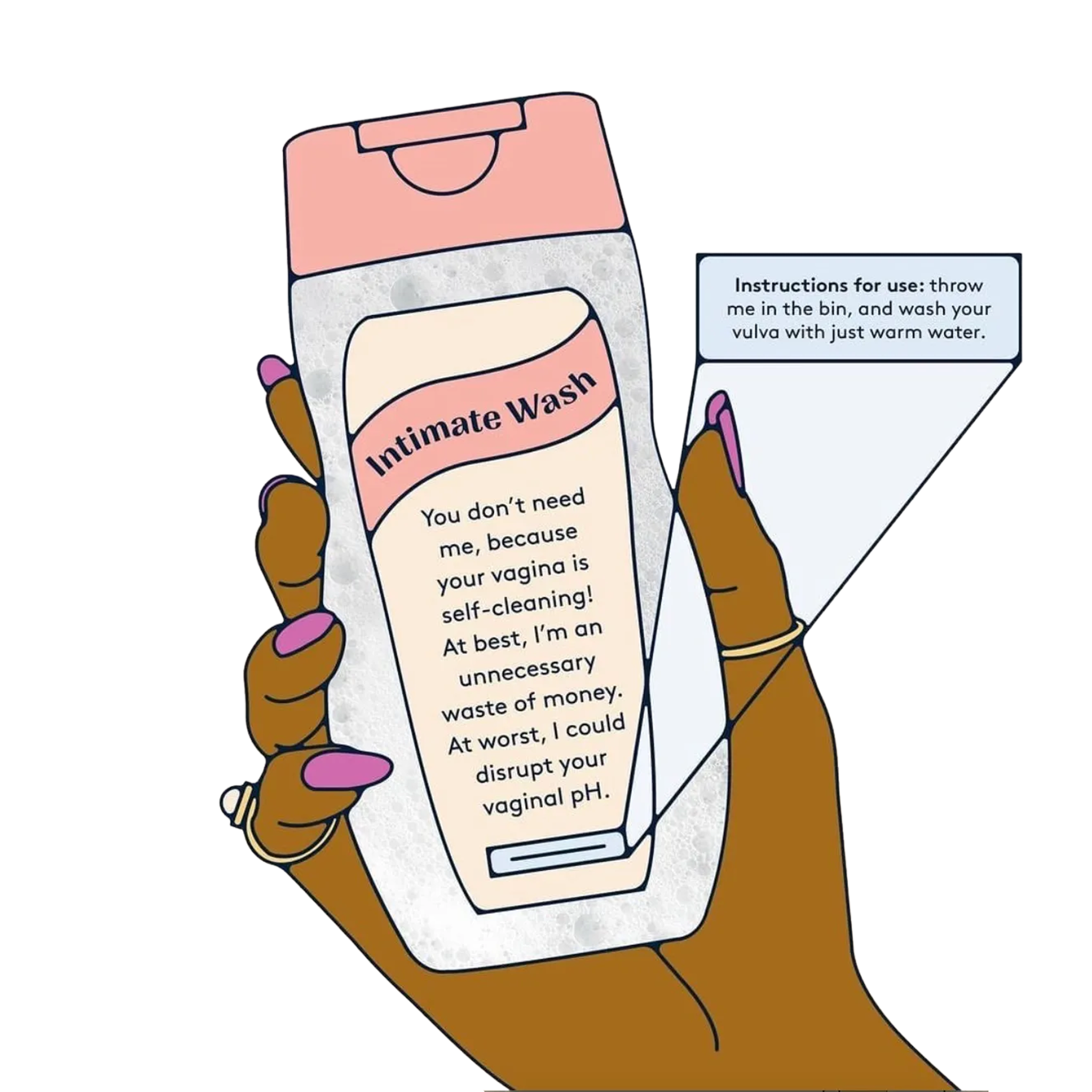
If you’ve recently started or changed contraception and noticed new dryness, irritation, or a shift in how sex feels, it’s worth checking in with your microbiome. A simple diagnostic test can help you understand whether your contraception is supporting balance or nudging things off-track — and guide adjustments without guessing.
If you’ve recently taken antibiotics or antifungals, give your microbiome time to recover. Reintroducing probiotics and supporting vaginal acidity through the above listed lifestyle modifications can help your body rebuild its natural defenses.
If sex leaves you feeling sore, dry, or unusually irritated, that’s your body asking for a check-in — not judgment. A quick microbiome test, like Daye’s at-home screening, can reveal whether your discomfort stems from a microbial imbalance that’s easy to treat.
A healthy vaginal microbiome doesn’t just make sex feel better — it plays a vital role in preventing infection, supporting fertility, and protecting reproductive health overall. Researchers have even found links between Lactobacillus-rich vaginal environments and lower rates of HPV persistence and preterm birth. Pleasure, it turns out, is a clinical sign of balance.
That’s why The Vaginal Biome Hub is focused on science-based empowerment. By understanding how your microbiome supports pleasure — and how to protect it — you’re reclaiming a crucial part of your sexual agency.
And yes, your microbiome deserves foreplay too.
👩⚕️ If you’re experiencing discomfort, changes in pleasure, or anything that feels “off,” chatting with a provider can help you understand what’s going on in your vaginal microbiome and what to do next.
Vaginal microbiome – The diverse ecosystem of bacteria and microorganisms living in the vagina. In a healthy state, it’s dominated by Lactobacillus species that produce lactic acid and maintain acidity. This environment prevents infection, supports tissue integrity, and influences sexual comfort.
Lactobacilli – Beneficial bacteria that ferment glycogen into lactic acid, lowering vaginal pH. Certain strains like L. crispatus also produce hydrogen peroxide, offering broad protection against pathogens and inflammation.
pH – A scale that measures acidity or alkalinity. The vagina’s optimal range (3.8–4.5) supports good bacteria and suppresses harmful microbes. Even small pH shifts can trigger imbalance.
Semen alkalinity – Semen’s higher pH (7.2–8.0) can temporarily disrupt vaginal acidity and microbiome stability, especially if Lactobacilli are already depleted.
Probiotics – Live beneficial microbes found in certain foods or supplements. These can help rebuild Lactobacilli dominance after infection, antibiotic use, or hormonal changes.
Microbial exchange – The transfer of bacteria between sexual partners through contact. These exchanges can be temporary or persistent, depending on microbiome stability and pH balance.
Hydrogen peroxide (H₂O₂) – A natural compound produced by some Lactobacillus strains. It has mild antimicrobial properties and contributes to the vagina’s self-cleaning function.


