Tell us about your symptoms, past treatments, and any current skincare concerns.
1
A licensed provider reviews your case
They'll assess your skin and recommend the best prescription gel, topical cream for your rosacea subtype.
2
Start your treatment and get ongoing care
Pick up your prescription locally, get monthly refills, and message your doctor anytime.
3
Rosacea Treatment Options We Prescribe
Our treatments target inflammation, redness, and pimples linked to rosacea — with options for both sensitive and resistant skin types. All are FDA-approved and clinically backed.
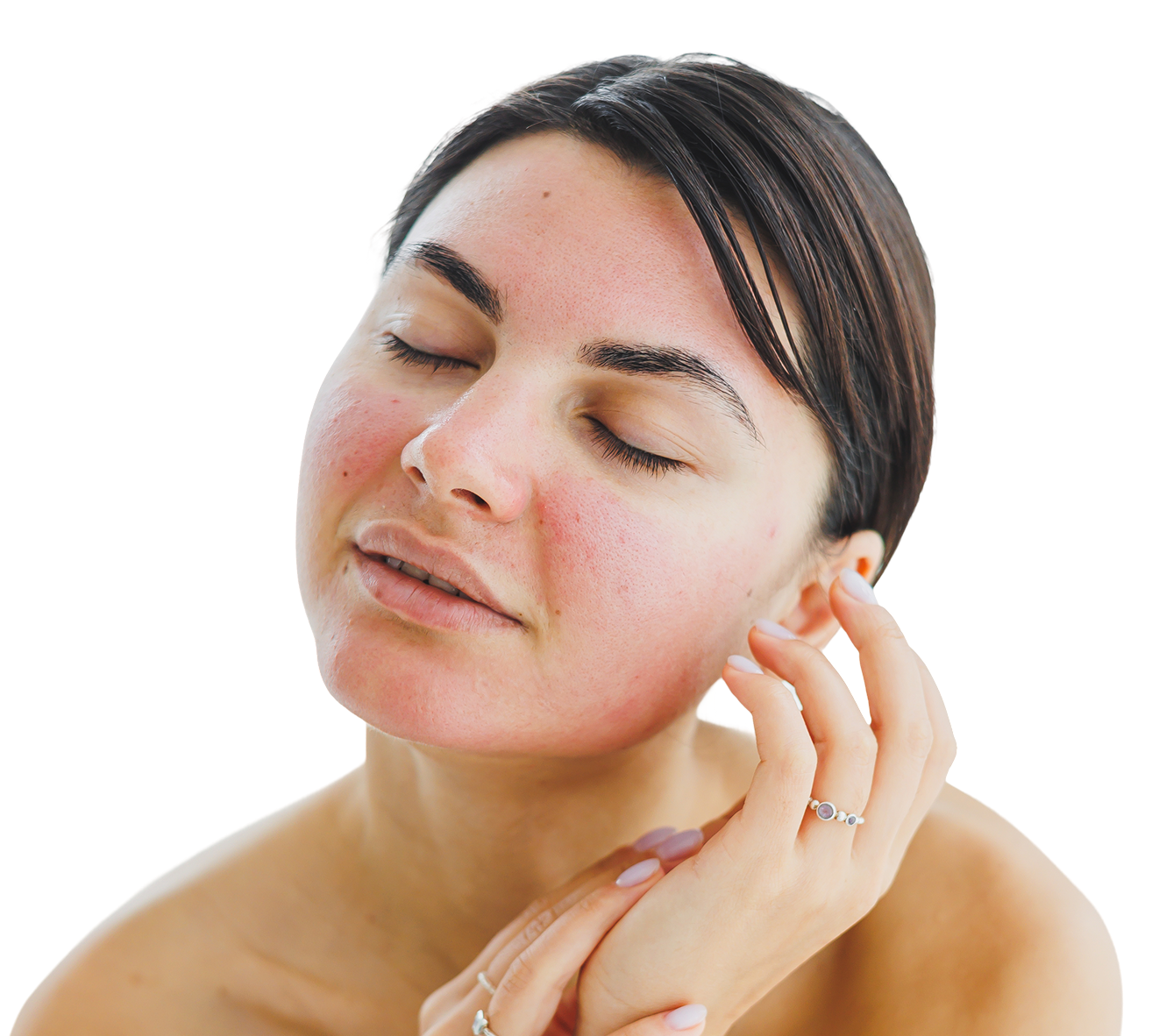
Redness & Visible Blood Vessels: Persistent redness (often on the cheeks, nose, or forehead), frequent flushing, and tiny visible veins. Skin may feel sensitive or irritated.
Treatment
Creams or gels are first-line, with oral medication if needed.
Papulopustular Rosacea
Bumps & Pimples: Red bumps and pus-filled spots that look like acne, usually in the central face. These can come along with swelling and redness
Treatment
Creams or gels are first-line, with oral medication if needed.
Phymatous Rosacea
Thickened Skin: Skin becomes thicker and bumpy, most often around the nose (called rhinophyma).
Treatment
Oral medication is often recommended.
Ocular Rosacea
Eye Irritation: Red, watery, or irritated eyes. Some people also have swollen eyelids or light sensitivity.
Treatment
Usually requires oral antibiotics and eyelid hygiene.
Rosacea Treatment Options We Prescribe
Our treatments target inflammation, redness, and pimples linked to rosacea — with options for both sensitive and resistant skin types. All are FDA-approved and clinically backed.
RX
Metronidazole 0.75% Gel
A go-to topical medication to reduce bacteria, inflammation, and overall rosacea symptoms. Commonly used for long-term treatment.
What are the most common side effects of rosacea medications?
Some patients experience skin irritation, dryness, or a warm sensation when using topical medications. Others may notice a temporary increase in redness or rare effects like a metallic taste (from metronidazole). If this happens, don’t worry — your provider can adjust your next dose, switch to other medications, or suggest soothing products.
What’s the best prescription for acne?
Your nurse practitioner or doctor will choose the best option based on your skin condition and medical history.
What prescriptions can I get for rosacea?
We prescribe: Ivermectin 1% Cream
These are all prescription-strength topical treatments aimed at controlling redness, swelling, and inflammation in affected skin.
Can I treat rosacea online?
Yes! With online rosacea treatment, you’ll connect with a licensed provider, share photos of your affected area, and receive an effective treatment plan — all without visiting a dermatologist in person.
Is rosacea caused by acne?
No, but it can look similar. Some rosacea subtypes involve pimples or acne-like bumps, but rosacea is a different skin condition caused by inflammation, not clogged pores.
Do I Need Laser Treatment to Treat Rosacea?
While some people explore laser treatment to reduce visible blood vessels or persistent redness, many find that prescription skin care alone can help manage their symptoms. Start with a virtual consultation to see what’s best for you.
Are over-the-counter products effective for rosacea?
Most over-the-counter creams or cleansers offer only mild relief. For lasting results, we recommend starting with prescription treatments and adjusting based on your symptoms.
Can I use rosacea medication if I’m pregnant?
Some medications (like isotretinoin) are not safe during pregnancy due to the risk of birth defects. Your provider will always review your medical history and choose a safe treatment for your needs.
What if I need to change my prescription?
Easy! You can message your provider at any time to adjust your plan, change your dose, or try a new topical or oral medication.