Years of dismissed symptoms and delayed diagnoses end here. This Endometriosis Awareness Month, get treatment and support from providers who actually listen.
Endometriosis treatment isn't one-size-fits-all. Our providers specialize in creating personalized plans that target your specific symptoms and give you real relief.
Real Relief for Endometriosis Symptoms
Manage Your Pain
Control the chronic pain and debilitating periods that have been holding you back.
Protect Your Fertility
Control tissue growth to protect your ability to conceive later.
Reduce Inflammation
Regulate the hormones that trigger tissue growth and painful inflammation.
Access to providers who actually understand the nuances of endometriosis
Work with clinicians who take your symptoms seriously and know how to help.
Always Here to Answer Your Questions
Your symptoms can change, and your treatment should too. Message your provider anytime to adjust your care plan, discuss side effects, or get the answers you need.
Choose the Right Treatment for You
Every body is different, especially with endometriosis. If the first treatment option isn't the right fit, we make it easy to switch.
RX
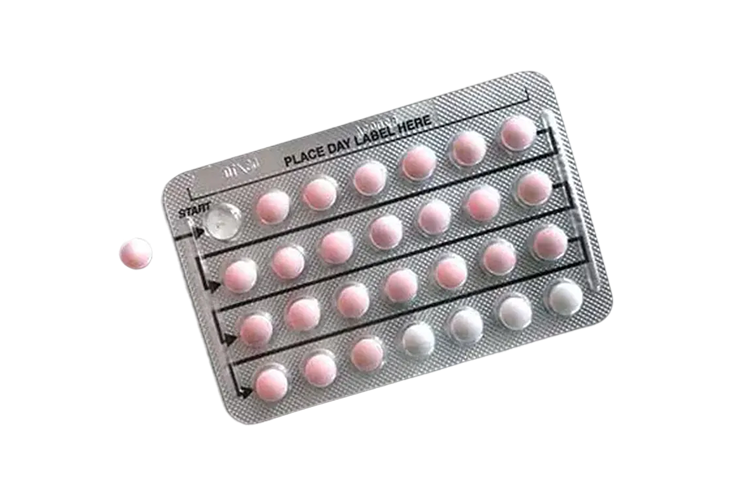
The Pill (Combination)
The "Gold Standard" for PCOS. Best for acne and hair growth.
Yes, many people with endometriosis can and do get pregnant. While endometriosis can affect fertility—especially in moderate to severe cases—it doesn't mean you can't conceive.
Research shows that 60-70% of people with mild to moderate endometriosis can get pregnant without treatment. For those who need help, fertility treatments like IVF have high success rates.
Managing your endometriosis with hormonal treatment now can help slow disease progression and protect your fertility for when you're ready. If you're concerned about your ability to conceive, talk with your provider about your options and timeline.
How common is endometriosis?
Endometriosis affects approximately 1 in 10 women of reproductive age (that's about 190 million people worldwide). Despite how common it is, the average time to diagnosis is still 7-10 years, largely because symptoms are often dismissed as "normal" period pain.
Many people live with severe symptoms for years before getting proper treatment. If you're experiencing chronic pelvic pain, painful periods, or other symptoms that interfere with your daily life, it's worth talking to a provider who takes endometriosis seriously.
Is there a cure for endometriosis?
There is currently no cure for endometriosis, but there are effective treatments to manage symptoms and slow progression. Hormonal treatments like birth control work by reducing the hormonal fluctuations that trigger tissue growth and inflammation.
This can significantly reduce pain, heavy bleeding, and other symptoms. Some people find relief with pain management strategies, dietary changes, or surgical removal of endometrial tissue—though surgery isn't a cure and symptoms can return.
The goal of treatment is to help you manage symptoms and maintain your quality of life while researchers continue working toward better solutions.
What are the stages of endometriosis?
Endometriosis is classified into four stages based on the location, depth, and extent of tissue growth:
Stage I (minimal) Stage II (mild) Stage III (moderate) Stage IV (severe)
These stages are determined through surgery and describe physical findings like the number and depth of implants, presence of ovarian cysts, and extent of scar tissue or adhesions. However, the stage doesn't always match symptom severity. Someone with Stage I can have debilitating pain, while someone with Stage IV might have minimal symptoms. Treatment focuses on your symptoms and goals, not just the stage.
Understanding Endometriosis
Here's what everyone should understand about endometriosis.